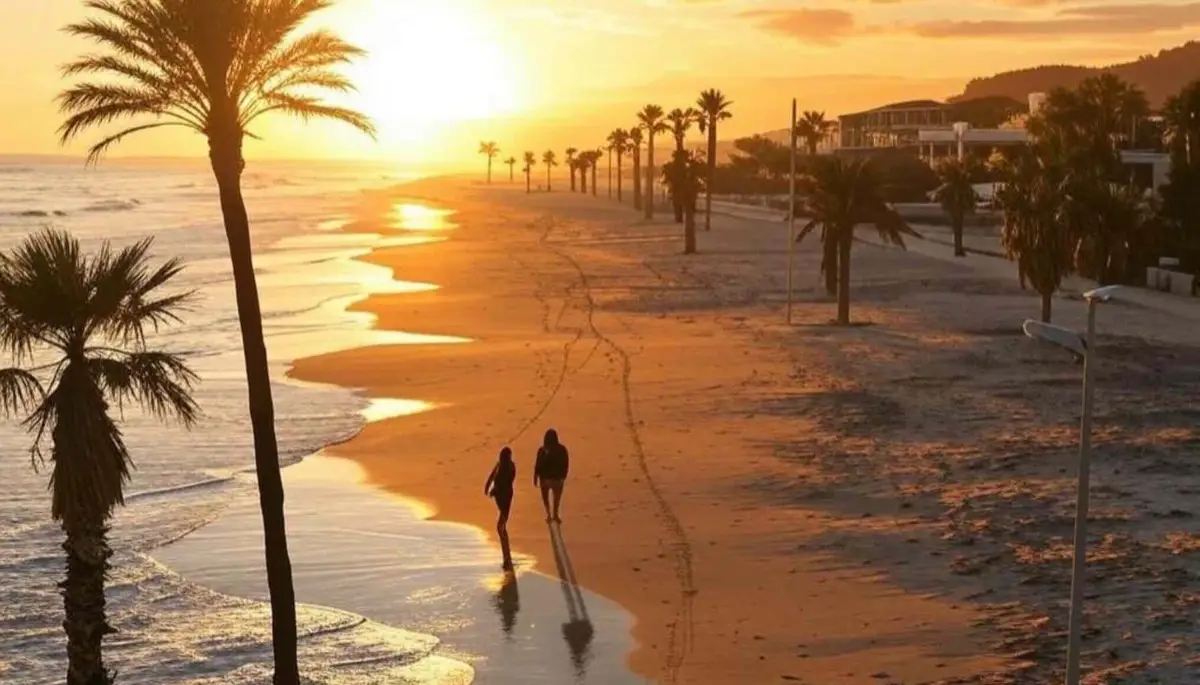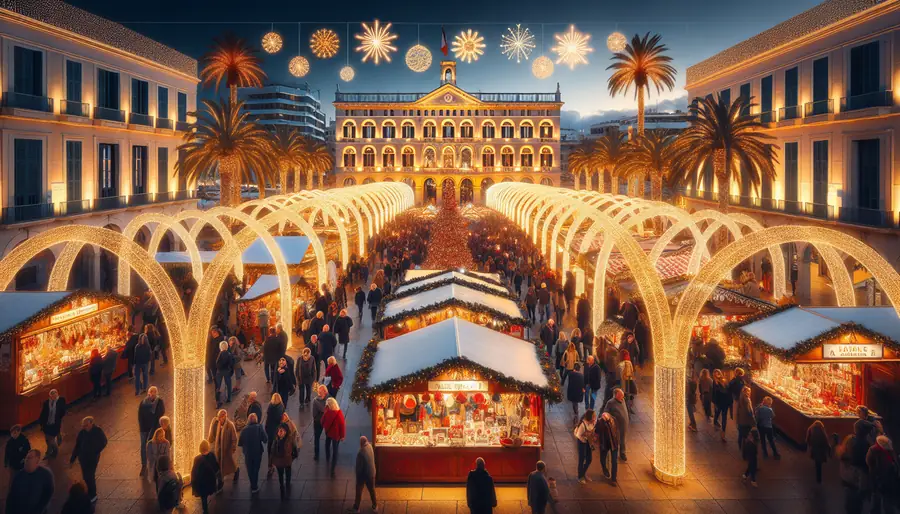
Mulled wine at 18 degrees, nativity scenes instead of snowmen and a New Year's Eve with twelve grapes: Christmas on the Costa Blanca feels different from Christmas back home – but no less festive. Between early December and Three Kings' Day on 6 January, the old towns from Dénia to Torrevieja turn into seas of lights, wooden stalls go up on the squares and almost every town builds its own nativity scene. Here you'll find the most important Christmas markets and winter events for 2026 – and everything you should know about Spanish customs. You'll also find all the regular markets in our events calendar.
Good to know first
Many towns only announce their exact Christmas dates shortly beforehand, and some dates differ depending on the source. The information below reflects the situation in November 2026 – check the website of the relevant town hall (Ayuntamiento) before you go.
Alicante: Christmas market, funfair and the giant nativity scene
At Christmas, Alicante is the liveliest city in the region. In December the stalls of the craft Christmas market line the Paseo de Federico Soto – jewellery, ceramics, leather goods, decorations and small gifts, usually open until Three Kings' Day. Shortly before Christmas Eve, expected from 20 to 24 December (2026 dates not yet officially confirmed in November), the traditional market with Cascaruja and Porrate joins it: nuts, dried fruit and sweets, without which no Christmas table in Alicante is complete.
For families there's the big Feria de Navidad (Christmas fair) with rides – according to the city, from the end of November into January. A favourite photo spot every year is the Belén Gigante, the giant walk-in nativity figure on the Plaza del Ayuntamiento. More about the market: Christmas market Alicante 2026.
Altea: Christmas market and nativity trail through the old town
With its white old town and blue church dome, Altea is especially atmospheric at Christmas. The Mercado Navideño (Christmas market) traditionally opens on the long holiday weekend in early December (expected from 5 December – the official 2026 date was still pending in November). A traditional nativity scene (Belén) can also be seen in the Casa de Cultura.
Dénia, Benidorm, Elche & Finestrat
If you're out and about on the coast, you can easily combine two markets in one day – say Altea in the afternoon and Benidorm in the evening. You'll find all the weekly markets that also run in winter under weekly markets on the Costa Blanca.
How Spain celebrates: the customs you should know
- 22 December – El Gordo: The Christmas lottery is a national celebration. All morning, schoolchildren sing the winning numbers on TV – and half of Spain has a ticket.
- 24 December – Nochebuena: Christmas Eve is a family evening with a big meal. Traditionally, presents only come on 6 January.
- 28 December – Día de los Santos Inocentes: Spain's "April Fools' Day" – newspapers and friends play pranks on each other.
- 31 December – Nochevieja: You eat one grape for each of the twelve chimes at midnight. There are big New Year's Eve celebrations in Alicante, Benidorm and Torrevieja.
- 5 January – Cabalgata de Reyes: The Three Kings' parade is the highlight for children – sweets are thrown from the floats. Afterwards there's Roscón de Reyes, a sweet bread ring with a hidden figure inside.
- 6 January – Día de Reyes: A public holiday and the actual day for giving presents. Many shops are closed.
Practical tips for your Christmas stroll
- It gets chilly in the evening: Daytime temperatures of 16 to 20 degrees are normal in December, but after sunset it can quickly drop below 10 degrees. Pack a jacket – more about the weather in our climate guide.
- Parking: On the public holidays (6 and 8 December) and at weekends, town centres are packed. In Alicante and Benidorm it's worth taking the bus or the tram (TRAM).
- Cash: Many small stalls prefer cash.
- Public holidays: On 25 December, 1 January and 6 January most shops are closed – though markets and restaurants on the coast are often open anyway.
Don't miss a date
All markets, fiestas and events on the Costa Blanca – with map, calendar and opening times.
Go to the events calendar →Frequently asked questions about Christmas on the Costa Blanca
When do the Christmas markets on the Costa Blanca start in 2026?
Most Christmas markets start in early December, often on the long holiday weekend around 6 and 8 December. Some rides and fairs, for example in Alicante, open as early as the end of November.
Which is the biggest Christmas market on the Costa Blanca?
Alicante has the most going on: the craft market on the Paseo de Federico Soto, the Cascaruja market before Christmas Eve, the Feria de Navidad and the giant nativity scene on the Plaza del Ayuntamiento.
When are Christmas presents given in Spain?
Traditionally on 6 January, Three Kings' Day (Día de Reyes). Many families now also exchange presents on 25 December.
Is there mulled wine on the Costa Blanca?
Yes, at some markets with an international crowd, for example in Altea or Benidorm. More typically Spanish, though, are hot chocolate with churros and sweets such as turrón from Jijona.
What is the weather like at Christmas on the Costa Blanca?
Usually sunny and mild with 16 to 20 degrees during the day. It cools down noticeably in the evening, and single-digit temperatures at night are normal.

Planning your move to the Costa Blanca?
Our guides cover the key steps — from the NIE number and residency to buying property.
Start with the NIE guidePersonal questions: new requests via the consultation page are currently paused.