
Region guide
Moving to Elche
on the Costa Blanca
An insider tip with UNESCO World Heritage — almost as big as Alicante, yet hardly any tourist knows it
Ask a questionPlease note: new requests via the consultation page are currently paused.
245,000
Residents
2x UNESCO
World Heritage
10 min
to ALC airport
from €120k
Apartment prices
245,000
Residents
2x UNESCO
World Heritage
10 min
to ALC airport
from €120k
Apartment prices
Updated 20 November 2026 · About the author →
Living in Elche — what to really expect
Elche is my personal insider tip on the Costa Blanca. Two UNESCO World Heritage sites, a beautiful old town, coffee for €1.20, fincas in the surrounding countryside from €150,000 — and ten minutes to Alicante airport. Still surprisingly unknown. That is changing.
This page takes you through everything that matters: from the first idea to your NIE number, from the housing market to residency. All based on real knowledge from 22 years living abroad, 10 of them in Spain.
Elche — the insider tip hardly anyone knows
When people get to know the Costa Blanca, they think of beaches, high-rises and tourist resorts. Elche is none of these. With 245,000 residents, Elche is almost as big as Alicante itself — the third-largest city in the Valencian Community and the nineteenth-largest in Spain. And yet hardly any tourist knows it. No beach promenade, no rows of hotels, no beach bars. Instead: two UNESCO World Heritage sites, a beautiful old town, everyday Spanish prices and surrounding countryside that is gold for finca buyers. For me, Elche is the best place on the Costa Blanca for people who really want to live here.
Living right by the sea sounds like a dream. But once you really live here, you notice after a while: it isn't the priority. The beach is lovely — but daily life happens elsewhere. Elche has everything you need, without the premium for a sea view. And Santa Pola is 15 minutes away when you do feel drawn to the water.
Two UNESCO World Heritage sites — the Palmeral and the Misteri d'Elx
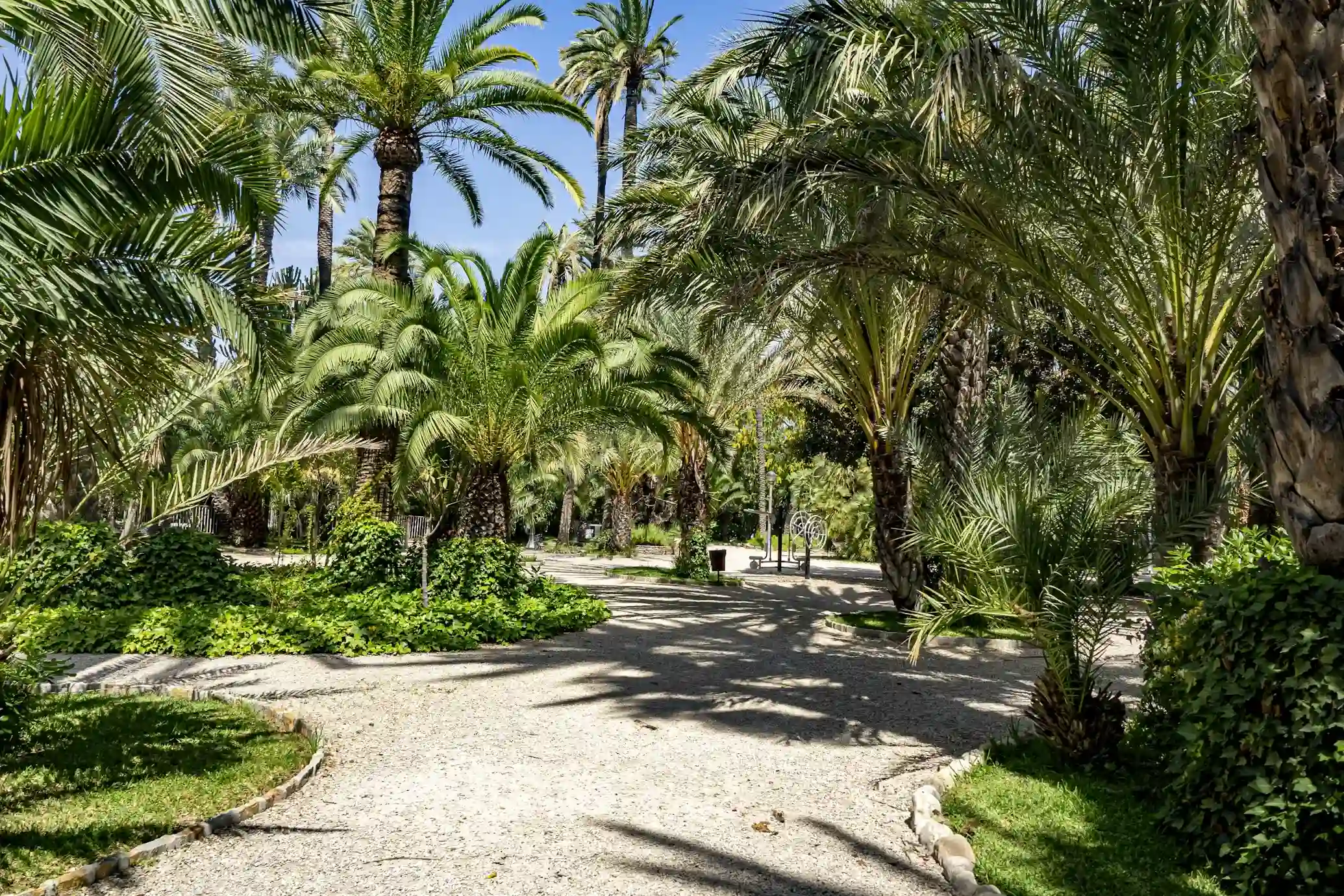
Elche has something no other town on the Costa Blanca has: not one UNESCO World Heritage site, but two. The Palmeral de Elche — with 45,000 date palms on 144 hectares the largest palm grove in Europe — lies in the middle of the city, free to visit, every day. What would be a botanical garden on the outskirts elsewhere is simply the city park in Elche. A morning walk among ancient palms, then lunch in the old town — there's nothing else like it.
The second World Heritage item is the Misteri d'Elx: a medieval music drama that has been performed without interruption for more than 570 years — since the 1450s — every year on 14 and 15 August in the Basilica of Santa María. It is UNESCO Intangible Cultural Heritage of Humanity. Then there are the Moros y Cristianos from 7 to 11 August — one of the most spectacular festivals of its kind in Spain, with 12 comparsas and night parades that turn the whole city upside down. Anyone who experiences Elche in August knows why the locals are so proud of their city.
Elche's old town — coffee for €1.20 and the real Spain
Elche's old town is what many people look for on the Costa Blanca but rarely find: authentic Spain without a tourist mark-up. A café cortado costs €1.20. A tostada with tuna or cheese — a large half baguette, freshly topped — is €2 to €2.50. If you experience that for the first time after Benidorm or Torrevieja, you rub your eyes. This is Spain as it really is.
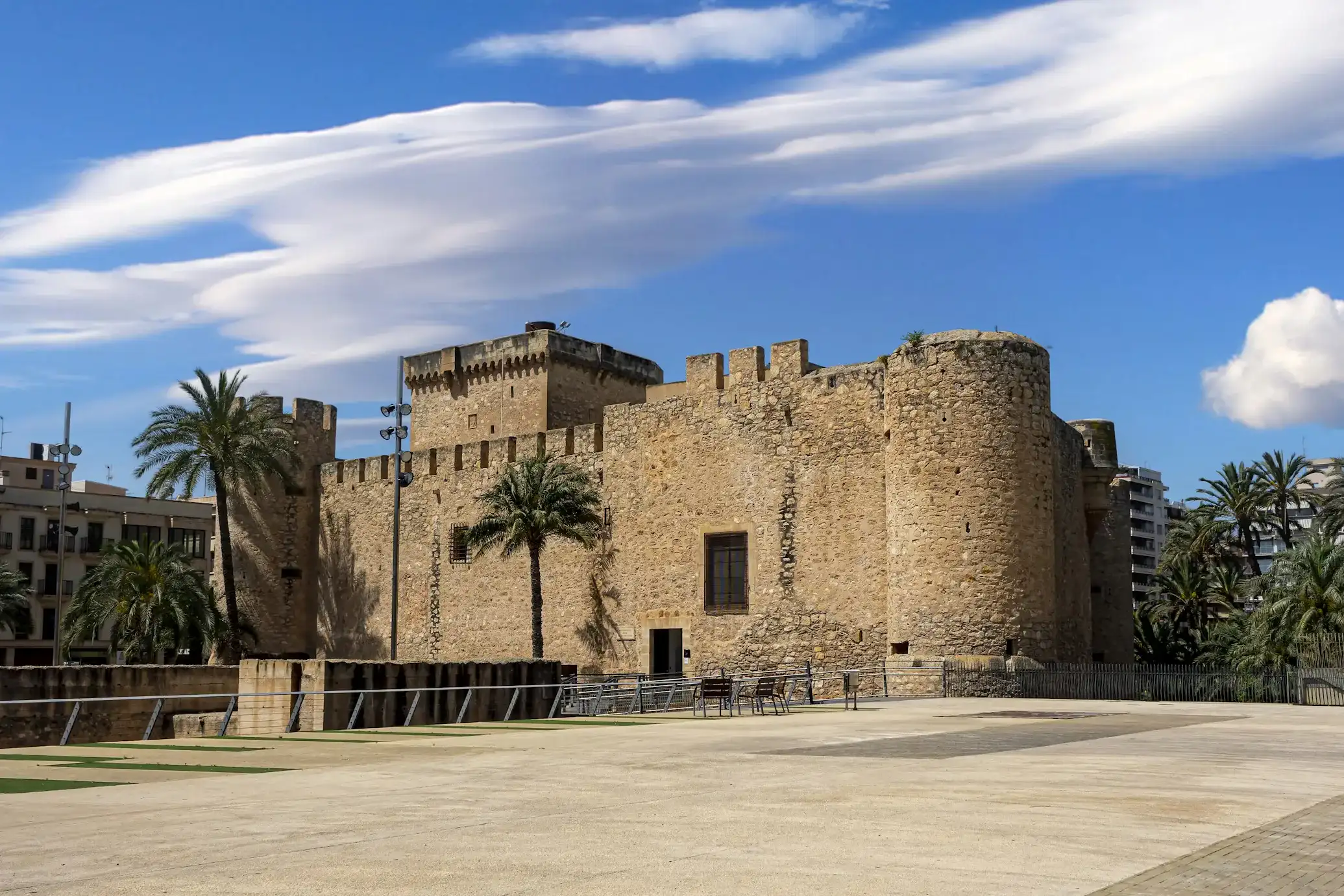
The old town lies on one side of the Vinalopó — the river that divides Elche, even though it is dry most of the year. The Avenida de la Comunitat Valenciana with its bridges separates the old town and the newer part of the city. In the old town you'll find narrow lanes, the Basilica of Santa María, the historic market quarter — and, recently, an extensive renovation of the Mercat Central, which will further revive and upgrade the old town once it is finished. The existing market is already worth a visit: small, busy, genuine.
“Elche is my insider tip on the Costa Blanca. Almost as big as Alicante, two UNESCO World Heritage sites, a beautiful old town — and hardly any tourist knows it. A coffee still costs €1.20. I hope it stays that way for a while.”
Carlo Reuss — 22 years living abroad, 10 of them in Spain
Fincas in the countryside — our core focus for newcomers
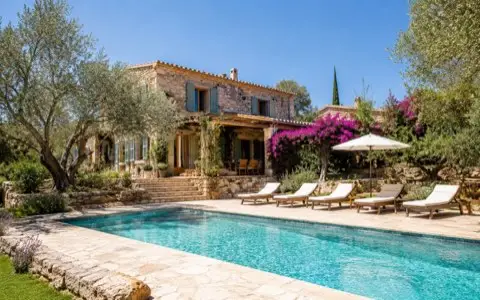
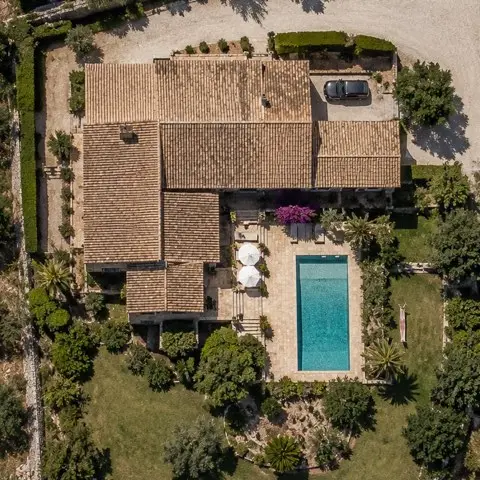
Most people who come to us aren't looking for a beach flat. They're looking for space, a garden, perhaps a pool — at a price that would be unthinkable in much of northern Europe. That is exactly what you'll find in the countryside around Elche. Ten to fifteen minutes' drive from the city centre, there is a choice of detached houses and fincas that is hard to match. Smaller houses with a bit of land start at €150,000 — sometimes with a pool that needs renovating. For €200,000 to €350,000 you'll find properties that are habitable but still need some work.
That's our core focus: finding the right finca and, with tradespeople we know, turning it into exactly what the new owners have in mind — at prices that surprise. If you think renovating in Spain is expensive, you haven't worked with the right tradespeople yet. Electricians in Elche, plumbers, tilers, painters — we know people who do good work at fair prices. That's the difference between a nice idea and a finished home.
Living in Elche — old town, new town and what things cost
Living in Elche's old town costs more — but for such a unique location it is surprisingly affordable. Attractive, modern flats with character are available to rent from €700 to €800 a month. You hardly need a car in the old town — not least because you won't find a parking space. That's more of a bonus than a drawback.
In the newer part of town on the other side of the Vinalopó — a typically Spanish working-class and family district — rents for a nice two-bedroom flat start at €600 to €800. Cheap apartments are available from €400. If you want to buy: the average price per square metre in Elche is €1,200 to €2,200 — far cheaper than Dénia, Calpe or even central Alicante. Apartments start at around €120,000.
Location, infrastructure and everyday life — Elche really has everything
Elche is ten minutes from Alicante airport (ALC) — no other town on the Costa Blanca is closer. That makes Elche attractive for anyone who flies home regularly. Santa Pola, with its long sandy beaches and the flamingos of the salt pans, is 17 kilometres away — 15 to 20 minutes by car. Central Alicante is 20 minutes away. Everything you need is on the doorstep: MediaMarkt (C.C. El Sauce), Leroy Merlin, large shopping centres, shopping streets, Mercadona, Aldi.
For the NIE and residency, the Policía Nacional in Elche is responsible — one of the best-staffed immigration offices in the region thanks to its proximity to Alicante. Several gestorías (administrative agencies) in Elche handle all the paperwork. The Hospital General Universitario de Elche is one of the largest in the province. Living in Elche means being well looked after — without the tourist density of the coastal towns, but with everything a modern city needs.
If you're not an EU citizen (UK, US …)
- Visiting is not living: without a visa you can stay in the Schengen area for up to 90 days in any 180-day period. Time spent on a Spanish residence permit or long-stay visa doesn't count towards that limit.
- To live in Elche you need a Spanish visa or residence permit before you move — for example the non-lucrative residence visa, the digital nomad (international teleworking) visa or a work visa. Once in Spain you get your foreigner identity card, the TIE, from the Policía Nacional.
- UK nationals resident in Spain before 2021 are covered by the Withdrawal Agreement. The UK and Spanish governments recommend swapping the old green residency certificate for a TIE, which border staff recognise as proof of residence.
- Buying property no longer gives you residence: Spain ended the "golden visa" for property investors on 3 April 2025.
More in our guides to residency in Spain and the NIE number.
Sources (checked November 2026): GOV.UK – Spain entry requirements · GOV.UK – Spain: register your residency · La Moncloa – end of the golden visa. Rules change — check the current requirements before you apply.
Questions about Elche?
New requests via the consultation page are currently paused — the page has the details.
Consultation page🏡 Buying support
Buying property in Elche? How personal support works, from the search to the keys.
Learn moreQuick links
Everything you need for Elche
From planning to everyday life — all the key topics for your move
📋
🪪
🏡
🚗
🏥
💼
💶
🔌
⚖️
Get your NIE number
The first step — without an NIE nothing works in Spain.
Register as a resident
When you have to register and how it works — EU and non-EU.
Buying property
Buying property in Spain explained step by step.
Register your car
Re-registering a car in Spain — process, costs, deadlines.
Health insurance
Public or private — what really applies in Spain.
Self-employed in Spain
Autónomo or SL — explained step by step.
Taxes in Spain
What you pay tax on as a resident.
Electricity & gas
Setting up utility contracts quickly and without stress.
Lawyer & gestoría
When you need help and where to find it.
What's on
Events & weekly markets in Elche
Markets, fiestas and events in your area
🛒
Fri 20 Nov
8 am – 2 pm
Crevillente Market
📍 Crevillente · Rambla del Castellar
🛒
Sat 21 Nov
8:30 am – 2 pm
Elche Market – Plaza Barcelona
📍 Elche · Plaza de Barcelona / Calle...
🛒
Sat 21 Nov
8 am – 2 pm
Almoradí Market
📍 Almoradí · Plaza de la Constitución
🛒
Mon 23 Nov
8:30 am – 2 pm
Elche Market – Plaza Barcelona
📍 Elche · Plaza de Barcelona / Calle...
🛒
Fri 27 Nov
8 am – 2 pm
Crevillente Market
📍 Crevillente · Rambla del Castellar
🛒
Sat 28 Nov
8:30 am – 2 pm
Elche Market – Plaza Barcelona
📍 Elche · Plaza de Barcelona / Calle...
🛒
Sat 28 Nov
8 am – 2 pm
Almoradí Market
📍 Almoradí · Plaza de la Constitución
🛒
Mon 30 Nov
8:30 am – 2 pm
Elche Market – Plaza Barcelona
📍 Elche · Plaza de Barcelona / Calle...
🛒
Fri 20 Nov
8 am – 2 pm
Crevillente Market
📍 Crevillente · Rambla del Castellar
🛒
Sat 21 Nov
8:30 am – 2 pm
Elche Market – Plaza Barcelona
📍 Elche · Plaza de Barcelona / Calle...
🛒
Sat 21 Nov
8 am – 2 pm
Almoradí Market
📍 Almoradí · Plaza de la Constitución
🛒
Mon 23 Nov
8:30 am – 2 pm
Elche Market – Plaza Barcelona
📍 Elche · Plaza de Barcelona / Calle...
🛒
Fri 27 Nov
8 am – 2 pm
Crevillente Market
📍 Crevillente · Rambla del Castellar
🛒
Sat 28 Nov
8:30 am – 2 pm
Elche Market – Plaza Barcelona
📍 Elche · Plaza de Barcelona / Calle...
🛒
Sat 28 Nov
8 am – 2 pm
Almoradí Market
📍 Almoradí · Plaza de la Constitución
🛒
Mon 30 Nov
8:30 am – 2 pm
Elche Market – Plaza Barcelona
📍 Elche · Plaza de Barcelona / Calle...
Elche — an honest overview
Pros and cons from real life — not marketing
Advantages of Elche
✓
2x UNESCO World Heritage: the Palmeral (45,000 palms) and the Misteri d'Elx (since 1450)
✓
Almost as big as Alicante — full infrastructure, MediaMarkt, Leroy Merlin
✓
Only 10 minutes to Alicante airport (ALC)
✓
Lowest prices: coffee €1.20, tostada €2.50, old-town flat from €700
✓
Fincas in the countryside from €150,000–350,000 — our core focus for newcomers
✓
Santa Pola beach within 15 minutes
✓
Beautiful old town with a genuine Spanish atmosphere
Worth knowing
!
No direct sea access — the beach is a 15–20 minute drive
!
Less of an international expat bubble than Torrevieja or Benidorm
!
Very hot in summer — no cooling sea breeze as on the coast
!
Parking in the old town: very difficult, practically impossible on the spur of the moment
!
Less well known = fewer services aimed at foreign residents than in the coastal towns
Housing market in Elche
Current market prices for buying and long-term renting in Elche and the surrounding area. All figures are guide values — location, condition and sea views have a big effect on the price.
Rent, 1-bed flat
€400–700/month
Rent, 2-bed flat
€600–900/month
Buy from
from €120,000
Buy, price per m²
€1,200–2,200/m²
Lowest prices in the region. Fincas in the countryside €150k–350k. Old-town flats cost more but are unique. In the newer part of town, rents from €400.
Buying property in Elche
Buying property in Spain involves a few things to watch: the NIE number, a land registry extract, checking the property is free of debts and charges, the notary — and budgeting 10–13% for purchase costs on top of the price. Our buying guide explains each step.
Compare other areas
The Costa Blanca has many faces — discover more towns
Frequently asked questions about Elche
From real life — the questions we hear most often
Why is Elche so little known among tourists?
Elche has no beach of its own — that puts off classic beach tourists. For people who want to live here permanently it's no disadvantage: Santa Pola is 15 minutes away. Elche benefits from exactly this: no artificial tourist infrastructure, real Spanish prices, authentic city life.
What is the Palmeral de Elche?
With 45,000 date palms on 144 hectares, the Palmeral de Elche is the largest palm grove in Europe and has been a UNESCO World Heritage site since 2000. It lies right in the city, is free to visit, and offers a walk you can't take anywhere else in Europe. The second World Heritage item — the Misteri d'Elx — is a medieval sacred music drama that has been performed every August without interruption for more than 570 years.
What does a finca near Elche cost?
Smaller detached houses with a bit of land start at €150,000, often in need of renovation. For €200,000 to €350,000 you'll find habitable fincas with a pool and garden, 10–15 minutes' drive from the city centre. That's our core focus: finding the right finca and having it converted to the new owners' needs with tradespeople we know — at prices that surprise.
How far is Elche from the sea?
Santa Pola is 17 kilometres away — around 15–20 minutes by car. Guardamar del Segura is about 33 kilometres away. That's no problem for a beach day. If you need the sea every day, look at Torrevieja or a coastal property. If you enjoy the sea as an outing and prefer city and nature in everyday life, Elche is ideal.
Can I find reliable tradespeople in Elche?
The network of tradespeople used to working with foreign residents is not yet as dense in Elche as in Torrevieja or Benidorm — but there are reliable electricians, plumbers, painters and renovation firms in Elche that we know personally. Especially for finca renovations this is what matters most: the right tradespeople at the right price.
What are the main festivals in Elche?
Moros y Cristianos (7–11 August) — one of the most spectacular festivals of its kind in all of Spain, with 12 comparsas (festival groups), parades and night-time battles. The Misteri d'Elx (14–15 August) is UNESCO Intangible Cultural Heritage — a medieval music drama performed every year since 1450 in the Basilica of Santa María. Anyone who experiences Elche in August won't forget it.
Where can I find an electrician or plumber in Elche?
Electricians, plumbers and other tradespeople in Elche are best found through recommendations from the local international community or expat groups. Our directory and our guides to tradespeople and electricians are a good starting point. Always ask for a written quote (presupuesto).
What does it cost to move to Elche?
A removal from central Europe (from Germany, for example) costs between €2,000 and €6,000, depending on the volume of your household. On top of that come registration costs (NIE, residency), a possible rental deposit and, if you buy, notary and purchase costs. Careful planning pays off.
Tradespeople & services in Elche
Guides to finding local services on the Costa Blanca
🔌Electricians
🔧Plumbing & pools
🏗️Tradesmen
🚛Removals to Elche
🏥Health insurance
⚖️Lawyer & gestoría
💼Taxes in Spain
🏡Estate agents
📒Local directory
Looking for an electrician, plumber or tradesman in Elche?
Whether it's an electrician in Elche, a plumber, a painter or help with your move — finding the right contacts is the hardest part. Recommendations from the local community are worth a lot; our directory and service guides are a good place to start. Always ask for a written quote (presupuesto) before work begins.
Browse the directory →Ready for your life in Elche?
From the NIE number to moving in — our guides take you through every step, based on 22 years living abroad, 10 of them in Spain.
Personal questions: new requests via the consultation page are currently paused.