I honestly can't remember exactly how often I've driven between Germany and the Costa Blanca. Definitely more than 50 times. For me it's always 2,400 to 2,500 kilometres each way – sometimes on my own, sometimes with the family. Today I'd like to share my very personal experience with you: what really matters on this long journey, what to look out for, and which mistakes I've made (or seen) myself.
Every case is different. Whether you travel with kids, as a couple or solo, these tips come from real life, not from a guidebook.
The right car for frequent drivers
If you do this route regularly – for me it's easily 30,000 to 40,000 kilometres a year – please steer clear of expensive luxury cars like a Porsche or big SUVs. And not just because of the high fuel consumption. The loss in value is enormous! After a few years of regular long-distance driving, a new car is worth only about half.
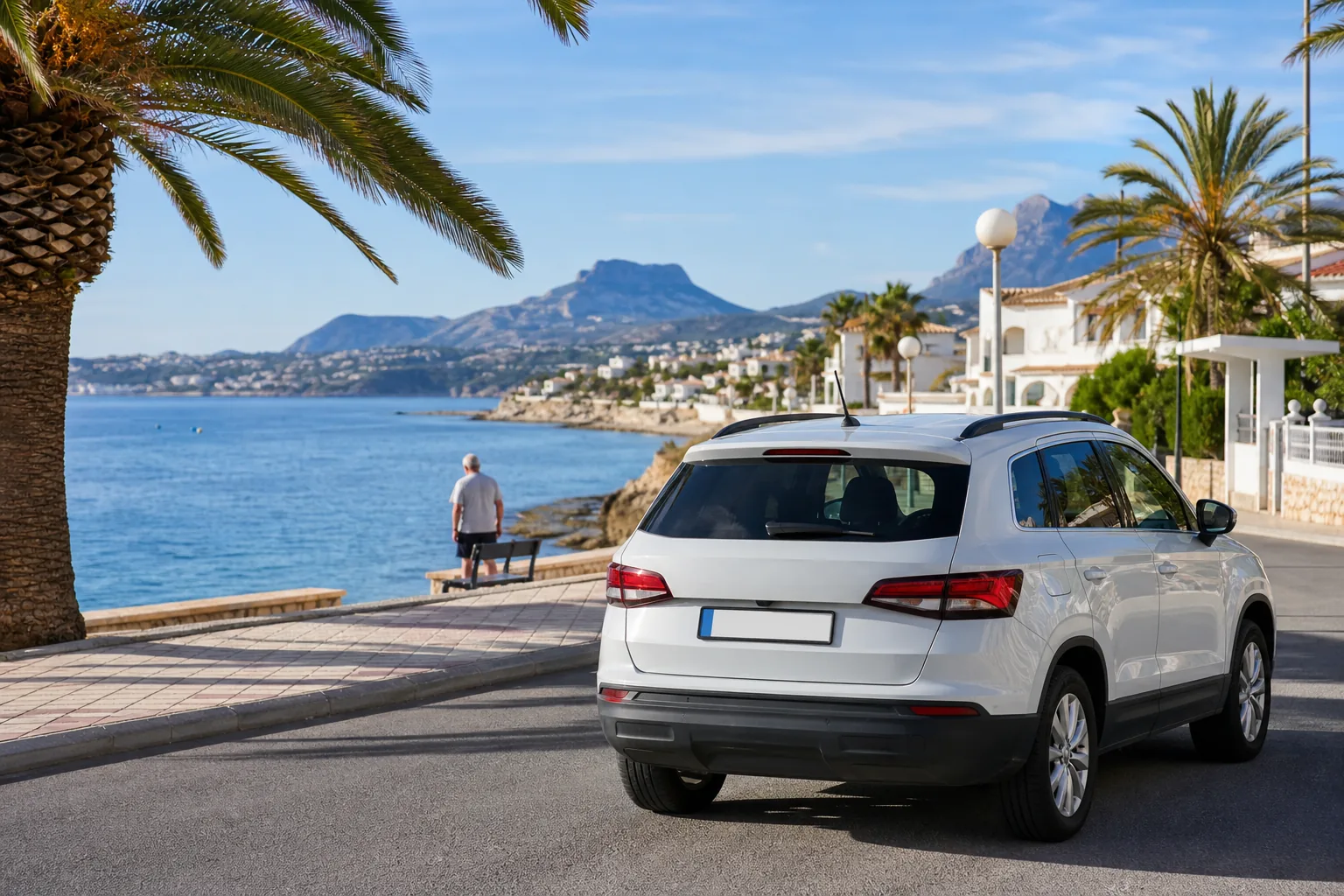
My tip from experience: I bought a Skoda Octavia diesel specifically for this. 5 litres per 100 km, tough as a tank, and whether it has 100,000 or 200,000 kilometres on the clock, it takes it in its stride. For me it's the ideal choice for these trips. It saves money and nerves.
Overnight stops: my tried-and-tested strategy
I usually drive the route in two stages:
- To the Costa Blanca: About 1,500 km to Montpellier, or sometimes as far as Perpignan. I stay overnight there and drive the remaining 900 km or so at a relaxed pace the next day.
- To Germany: From Alicante to Freiburg im Breisgau (about 1,700 km), stay overnight there and then drive the last stretch to Berlin.
Hotel tips (B&B hotel chains with the green logo)
I'm a big fan of the well-known B&B hotel chains. In Germany they're usually clean and reliable. As soon as you're in France or Spain, the picture changes abruptly – same price, but much poorer quality: sagging mattresses, pillows as flat as pancakes, and cleanliness drops off sharply.
Important tip: Take your own pillow with you! You won't regret it.
Prices (as of April 2026): For €50–80 you can usually get a decent room (depending on trade fairs or season). Parking is usually an extra €10. I almost never have breakfast – I eat something in the car on the way. Time is precious on these trips.
Booking: I never book in advance. You never know what will happen (breakdown, traffic jam, unexpected delay). I check where I am 1–3 hours beforehand and then book on the spur of the moment. But: check availability briefly before you set off! If there's a huge event on in Lyon, prices are suddenly sky-high or everything is fully booked.
With a dog? No problem in most hotels (Germany, France, Spain). Usually a surcharge of €10–12. Dogs are welcome.
Taking your car to Spain? Here's how re-registration works
If you regularly commute between Germany and the Costa Blanca, at some point you'll have to re-register your car. In the guide I explain the whole process.
To the car guide →Tolls, traffic and road quality
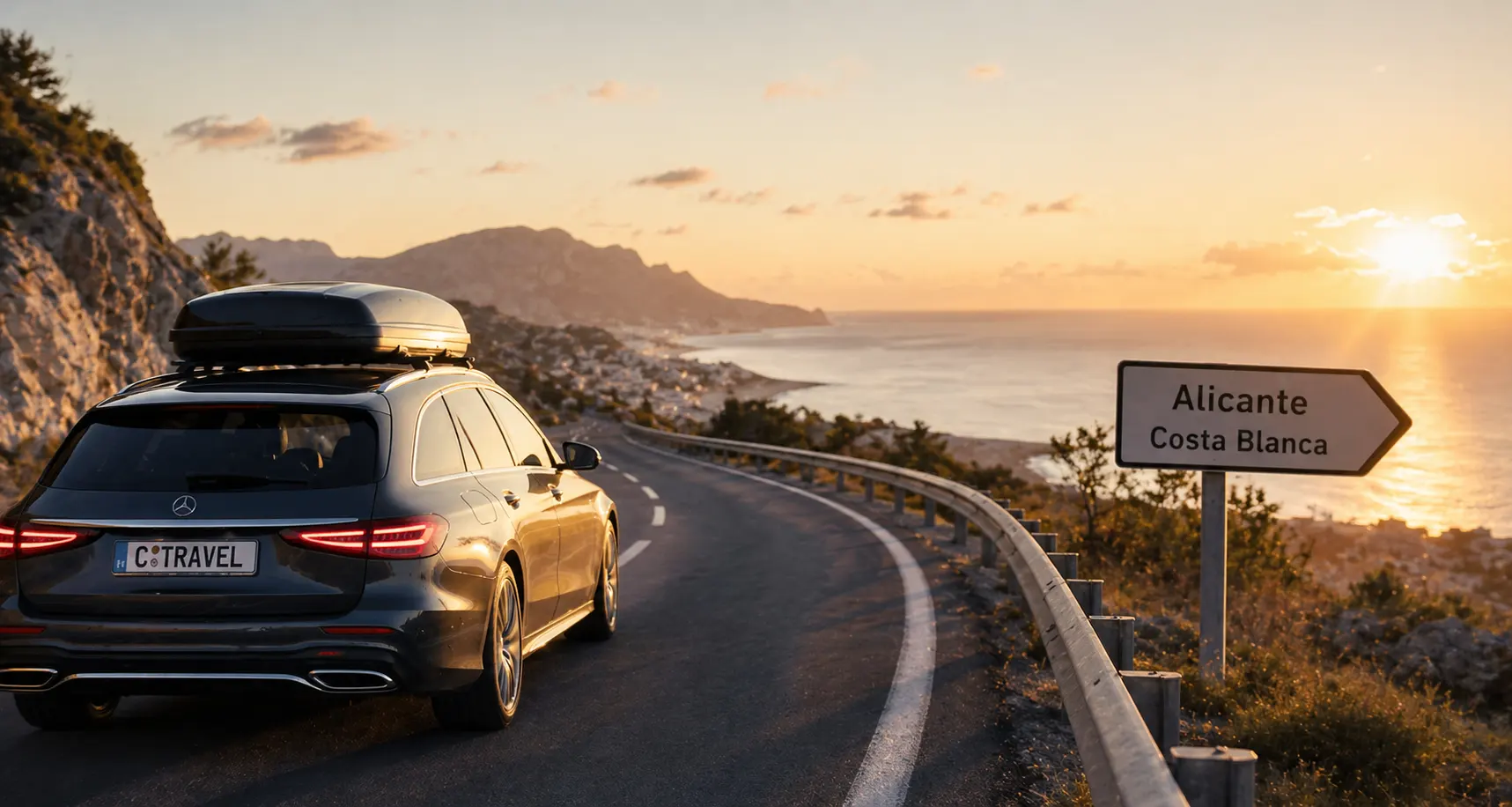
Current route (April 2026): I enter France via Basel, then head down to Spain via Lyon. The total toll cost one way is about €90 for a normal car. On the plus side, the stretch through Spain as far as Alicante has been toll-free since 2021 – that really saves money.
Traffic hotspots: The only real traffic jams are around Lyon and sometimes Barcelona. Plan the trip so that you don't have to go through the cities right in the rush hour (8–9 am). That easily saves you half an hour to an hour.
The motorways in France and Spain: A dream! No roadworks like in Germany, no potholes, no annoying speed limits every 500 metres. The scenery is far prettier anyway – it's a real pleasure to drive.
Alternative via Switzerland: Saves a bit of time depending on your starting point. But: the annual vignette currently costs 40 Swiss francs (about €44–45). It is valid from 1 December of the previous year to 31 January of the following year. There are no monthly or weekly vignettes like in Austria. It's mainly worth it if you drive several times a year. Otherwise, take the French route.
Beware – the fake police trap (important warning!)
Especially on the stretch between France and Barcelona (and even in France already), there are repeated cases of scammers posing as police. They flag you down with a blue light or hand signals.
My own experience in 2016 in Barcelona (10 pm): They flagged us down. We knew the scenario and didn't get out. They then slashed our tyre with a knife. At the only open garage nearby, I was supposed to pay €400 for a four-year-old second-hand tyre – "take it or leave it".
What you should do:
- Don't stop if your car is running normally, no warning lights are on and you can't hear any strange rattling.
- Keep driving and call the police (112). Give them the number plate or take a photo.
- This has become much rarer in recent years because it has been covered everywhere in the media. Even so: always stay alert!
Fuel – how to really save money
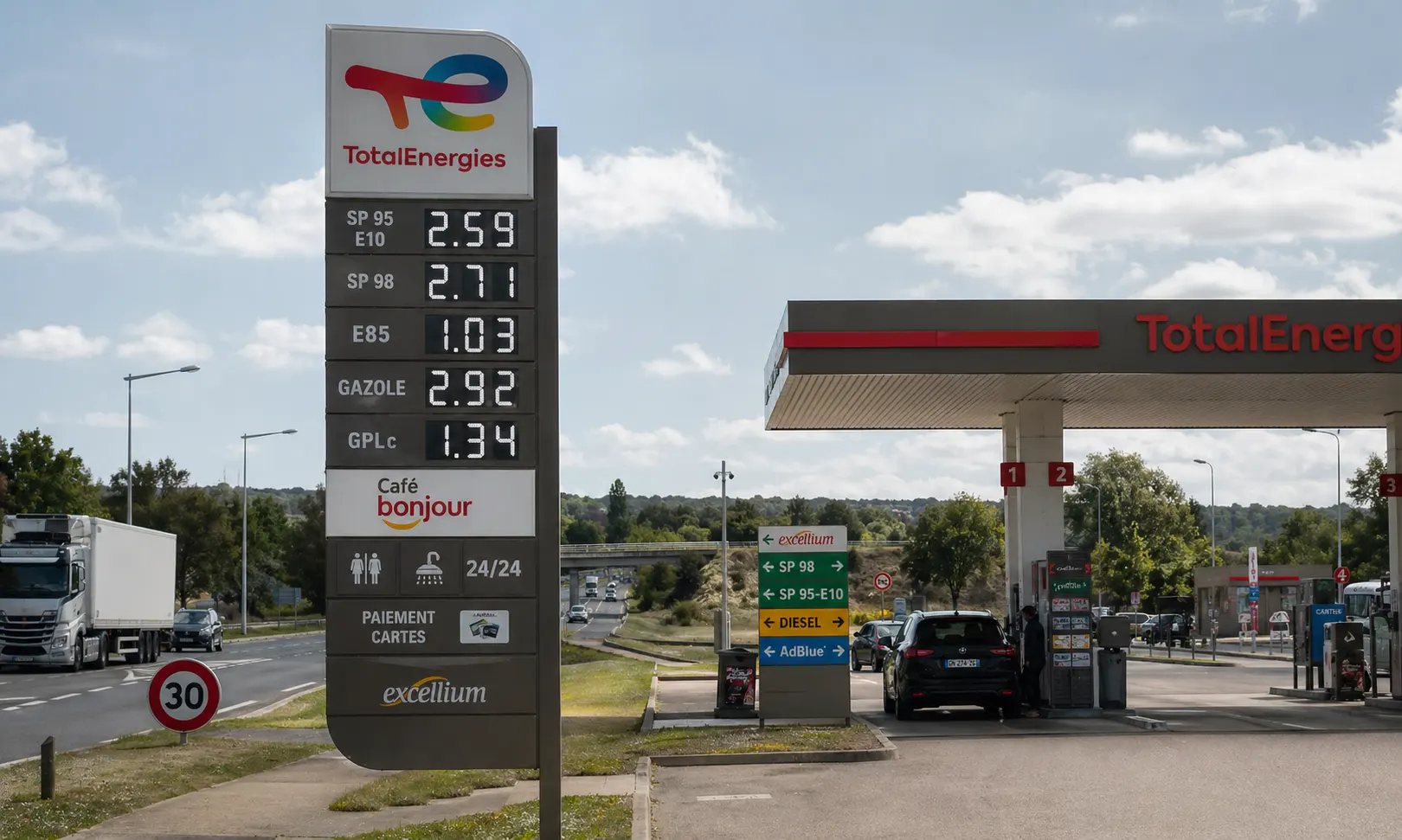
Filling up on French motorways is an absolute nightmare:
- Expensive (currently often €2.50/litre at motorway stations)
- You have to leave the motorway, pay, and get back on – a total pain
My strategy:
- Fill the tank right up in Germany before you drive into France (with my Octavia the range is often 800+ km).
- In France, only top up the bare minimum (€20 is usually enough).
- In Spain, head straight for the first cheap self-service petrol station. Prices are often €1.30–1.50/litre (depending on the season and the geopolitical situation). Use an app (e.g. a petrol station price app) to find the cheapest station, then fill up. That easily gets you to Alicante – and the same in reverse.
Current note (April 2026): Because of the tense geopolitical situation (conflict around Iran), prices are a bit higher than usual. The principle stays the same, though: fill up fully in Germany and Spain, and avoid France where possible.
Conclusion – my personal verdict
The route is long, but doable. With the right car, good planning and a few tricks, it becomes much more relaxing. Personally, I almost enjoy the drive these days – especially the beautiful motorways in France and Spain.
If you're planning to move to Spain yourself, or commute back and forth regularly, and still have questions (e.g. about paperwork and authorities, property or everyday life on the ground), feel free to send us your question via the contact form.
See you soon on the Costa Blanca – or on the motorway!
Frequently asked questions about the Germany – Costa Blanca route
Which car is best for the Germany – Costa Blanca route?
A tough, economical diesel like the Skoda Octavia is my choice: around 5 l/100 km consumption, and robust even with 200,000+ km on the clock. At 30,000–40,000 km a year, luxury cars don't pay off, either in fuel consumption or in loss of value.
How many overnight stops do I need for the trip?
Usually one. I split the roughly 2,400–2,500 km into two stages: on the way to Germany I stop in Freiburg im Breisgau, and on the way back to the Costa Blanca in Montpellier or Perpignan. The second stage is then relaxed to drive.
How much are the tolls on the route?
Via the French route (Basel → Lyon → Spain) the total toll comes to around €90 one way for a normal car. On the route through Spain as far as Alicante you no longer pay tolls since 2021 – that noticeably saves money over the whole journey.
Where is the cheapest place to fill up between Germany and Spain?
The strategy: fill up in Germany, avoid French motorway stations (often €2.50/litre), and fill up again in Spain at a cheap self-service station. Spanish fuel prices are mostly €1.30–1.50/litre. A petrol station app on the spot helps you find the cheapest one.
Is the Swiss vignette worth it for this route?
Only if you drive several times a year. The annual vignette currently costs CHF 40 (about €44–45) and is valid from 1 December of the previous year to 31 January of the following year. There are no weekly or monthly vignettes like in Austria. For one-off trips the French route is the better deal.
How do I protect myself from the fake police trap?
If your car is running normally and no warning light is on: don't stop, keep driving and call 112. Pass on the number plate or a photo of the suspicious vehicle. The phenomenon has occurred particularly between France and Barcelona – it's rarer now, but vigilance pays off.
Can I drive from Germany to the Costa Blanca with a dog?
Yes, dogs are welcome in most hotels in Germany, France and Spain. The surcharge is typically €10–12 per night.
When is the best time to book a hotel along the way?
1–3 hours before arrival, on the spur of the moment via an app – that keeps you flexible if there's a traffic jam or breakdown. Before setting off, though, it's worth a quick look at availability: during big events in Lyon or Barcelona, hotels are often booked up quickly or prices rocket.
Sources & notes: All information is based on my personal experience from 10 years in Spain. Prices and conditions may change – as of April 2026. The Swiss vignette prices were freshly researched (CHF 40 / about €44–45).
Still have questions?
Carlo Reuß has 22 years of experience in emigration, 10 of them in Spain. Got a question on this topic? Send it to us via the contact form.
Ask a question →

Planning your move to the Costa Blanca?
Our guides cover the key steps — from the NIE number and residency to buying property.
Start with the NIE guidePersonal questions: new requests via the consultation page are currently paused.