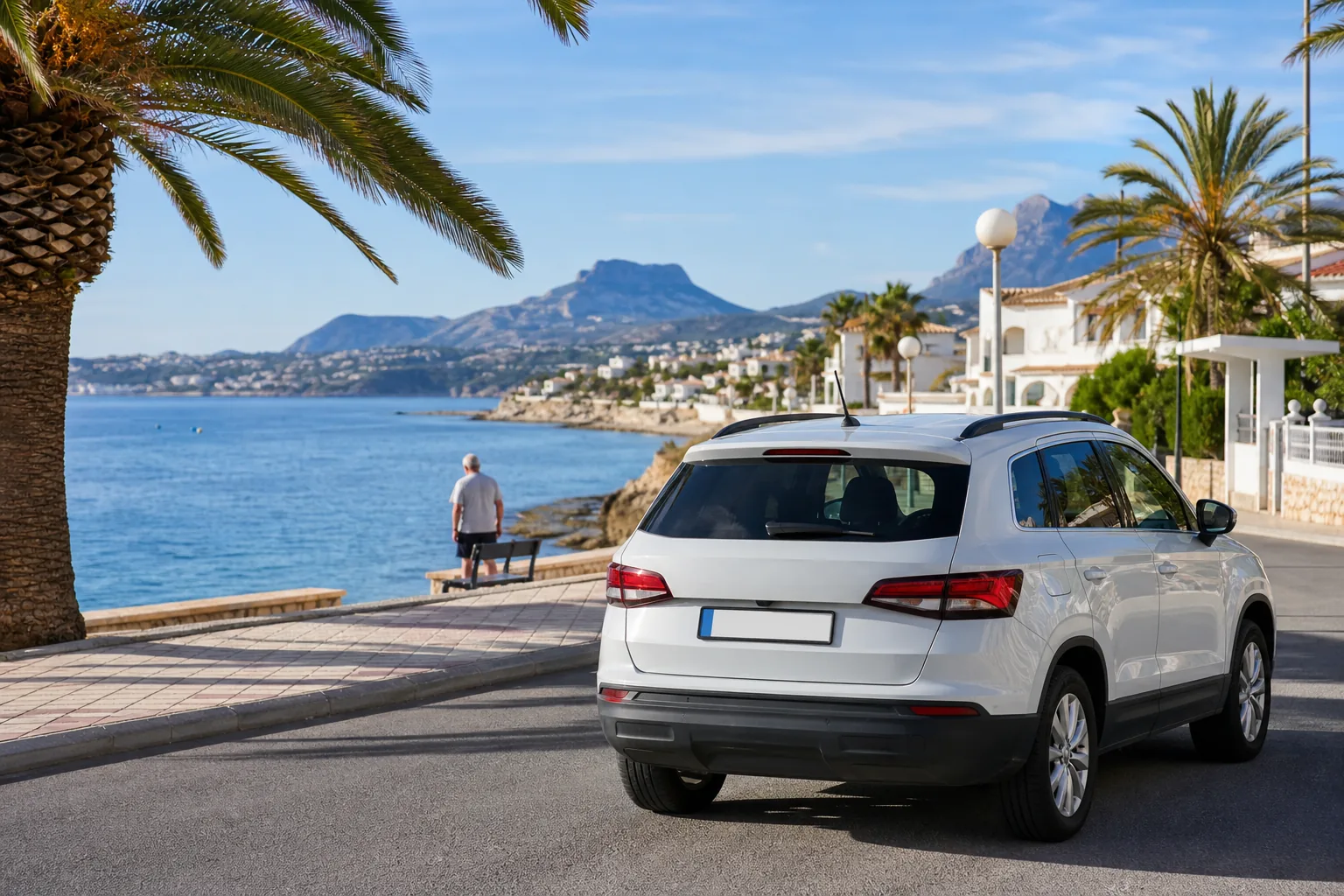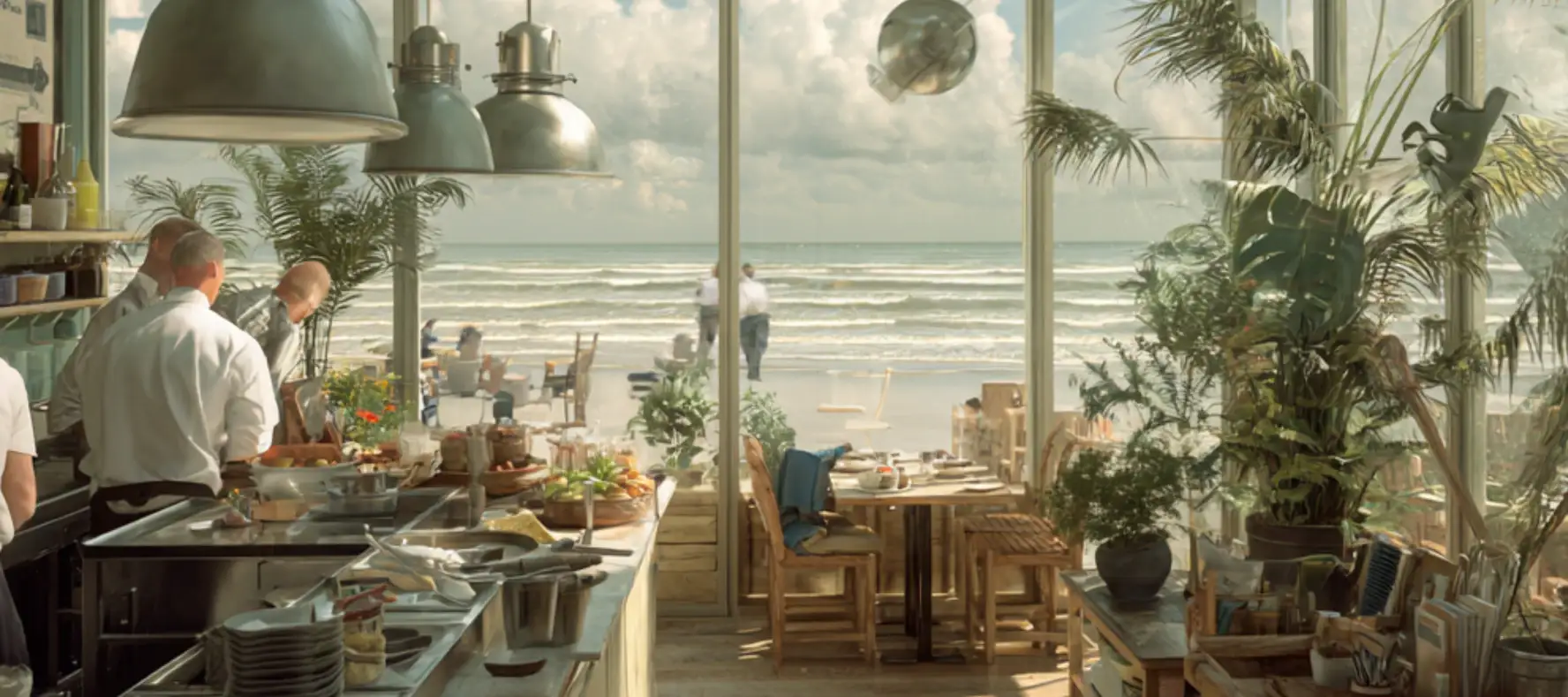
The Costa Blanca in south-east Spain is one of the most popular regions for expats – and for many, the dream of their own restaurant in Spain, a bar in Alicante or a café in Torrevieja is part of the emigration fantasy. But how realistic is it to open a hospitality business in Spain? And what mistakes do so many people make, even with the best of intentions?
In this article you get a well-founded, practical analysis – including all the key information on traspaso, licences, lease agreements, costs, choosing a location, marketing and legal basics, tailored specifically to the Costa Blanca, Alicante, Denia, Benidorm and Torrevieja areas.
[BILD]The starting point: hospitality in Spain in 2025
Spain is known worldwide for its tapas culture and lively food scene. But anyone who thinks they can simply open a restaurant here on a small budget and get rich overnight is usually disappointed very quickly. Competition is fierce, especially on the Costa Blanca, where tourism and the expat community overlap.
Popular search terms such as "open a bar Costa Blanca", "open a restaurant in Spain" or "become self-employed in Spain" show how many people are chasing this dream. The reality often looks different:
- Many venues close after 1–2 years
- There are massive quality problems (e.g. tourist rip-offs)
- Official procedures are slow
- Transfer fees and rents are underestimated
If you are serious about being self-employed in Spain, you should get familiar with the bureaucratic process early on – the road from idea to opening licence is longer than many expect.
Self-employed in Spain – what you need to know
From autónomo to SL: everything about registration, taxes and social security for the self-employed on the Costa Blanca.
To the self-employment guide →Location, location, location – where does hospitality make sense on the Costa Blanca?
Whether you want to open a café in Benidorm, a bar in Denia or a menú del día restaurant in the Alicante hinterland, success depends 70% on the location. Good food alone isn't enough.
Seafront promenade (e.g. Torrevieja, Altea)
Perfect for: chiringuito, beach bar, ice cream, tapas with a sea view
High rent & short season, but in a good spot it practically runs itself.
Town centre of Alicante or Benidorm
Ideal for: breakfast café, burger place, cocktail bar or modern bistro
High footfall, year-round opening possible, strong competition.
Tourist centres (e.g. Playa Flamenca, Calpe, Levante)
Typical: quick food, cocktails, pizza, takeaway concepts
Dependent on tourism, but easy to manage with a clear target group.
Hinterland / rural villages (e.g. Crevillente, Pinoso, Jalón Valley)
Recommended for: fine dining, menú del día, wine concept, brunch spot
Cheap rents, but only successful with regulars or a niche.
Urbanisations & expat developments (e.g. Ciudad Quesada, La Marina)
Ideal for: German bakery, international breakfast, currywurst & co.
Target group: expats & retirees – simple food, steady demand.
Whichever location you choose: your first guests will look for you online. Anyone typing “English breakfast Ciudad Quesada” into Google or asking ChatGPT for a restaurant tip gets two or three names – usually the businesses with a well-kept Google profile, genuine reviews and their own website. I ran restaurants myself for many years and know how much this matters in the first months. I’m happy to check whether your concept would be found there in a free starter check.
🧺 Weekly markets on the Costa Blanca
Traspaso, rent & what setting up will cost you
If you take over an existing business, in Spain you will usually pay what is known as a traspaso (a transfer or key-money fee). This often includes:
- Use of the licence
- The existing equipment / fittings
- The advantage of the location
Typical traspaso amounts in 2025:
- Small cafeteria in the hinterland: €5,000 to €15,000
- Bar in a tourist area: €20,000 to €60,000
- Beach venue / chiringuito: €50,000 to €120,000
Monthly rents:
- Hinterland: from €500
- Town and city locations: €1,500 to €3,500
- Beachfront: €2,500 to €6,000 (depending on season)
On top of that come deposits (1–3 months), agency fees and possibly estate agent commissions.
Whether you set up a company as an autónomo or an SL has a considerable impact on your liability and your tax burden. Be sure to get legal and tax advice before opening – it can save you a lot of money if things go wrong.
Still have questions?
Carlo Reuß has 22 years of experience in emigration, 10 of them in Spain. Got a question on this topic? Send it to us via the contact form.
Ask a question →Frequently asked questions
What are the requirements for opening a restaurant or café in Spain?
Anyone who wants to open a restaurant, bar or café on the Costa Blanca needs a number of legally required permits. These include registering as self-employed (autónomo) or setting up a Spanish S.L. (limited company), the opening licence (Licencia de Apertura), a hygiene certificate in line with HACCP, and building permits. Tax registration and liability insurance are also mandatory. In tourist towns such as Alicante or Torrevieja, the authorities are particularly strict about checking that all requirements are met.
What is a traspaso and how does taking over an existing venue work?
A traspaso is a transfer fee for taking over an existing hospitality business in Spain – including inventory, customer base and often the existing lease. The advantage: the location is established and often already approved from a building point of view. But be careful: the operating licence (Licencia de Apertura) is generally not automatically transferable and often has to be applied for again. Depending on location (e.g. right on the beach or in Benidorm's old town), traspasos range between €10,000 and €200,000.
What rents and running costs do I need to budget for?
Commercial rents on the Costa Blanca vary greatly by location: in tourist hotspots such as Altea, Benidorm or Torrevieja you can easily pay €2,000 or more per month for 100 m². In the hinterland, much cheaper rents from €600–800 are possible. On top of that come service charges, insurance, advertising and staff. For smaller cafés or tapas bars we recommend a start-up budget of at least €30,000, and for restaurants more like €50,000 or more.
What hygiene standards apply to hospitality in Spain?
Spain has strict hygiene regulations, similar to those in Germany. Particularly relevant is the HACCP concept (Hazard Analysis and Critical Control Points). Among other things, you need separate refrigeration zones, hot water systems, foot-operated wash basins and flawless ventilation. Regular inspections by the health authority (Sanidad) take place, especially for new openings or when complaints are made.
How do I find suitable staff and what do I need to consider under employment law?
Good staff are hard to find in hospitality on the Costa Blanca, especially in high season. Wages for assistants are usually €1,200–1,500 per month, and significantly higher for cooks and waiting staff. Employment contracts are mandatory, as is registration with social security. Many restaurateurs rely on recommendations, local Facebook groups or staffing agencies. Working hours and breaks are regulated by law – anyone who breaks the rules risks heavy fines.
Which advertising measures work best at the start?
Especially when opening a restaurant or bar, targeted advertising is crucial. Popular options include invitations to an opening party, local Facebook campaigns, Google Maps optimisation and partnerships with holiday-rental owners. Flyer campaigns in supermarkets or on the promenade can also work well if the design is good. Important: a coherent online profile with professional photos, opening hours, menu and customer reviews.


Planning your move to the Costa Blanca?
Our guides cover the key steps — from the NIE number and residency to buying property.
Start with the NIE guidePersonal questions: new requests via the consultation page are currently paused.