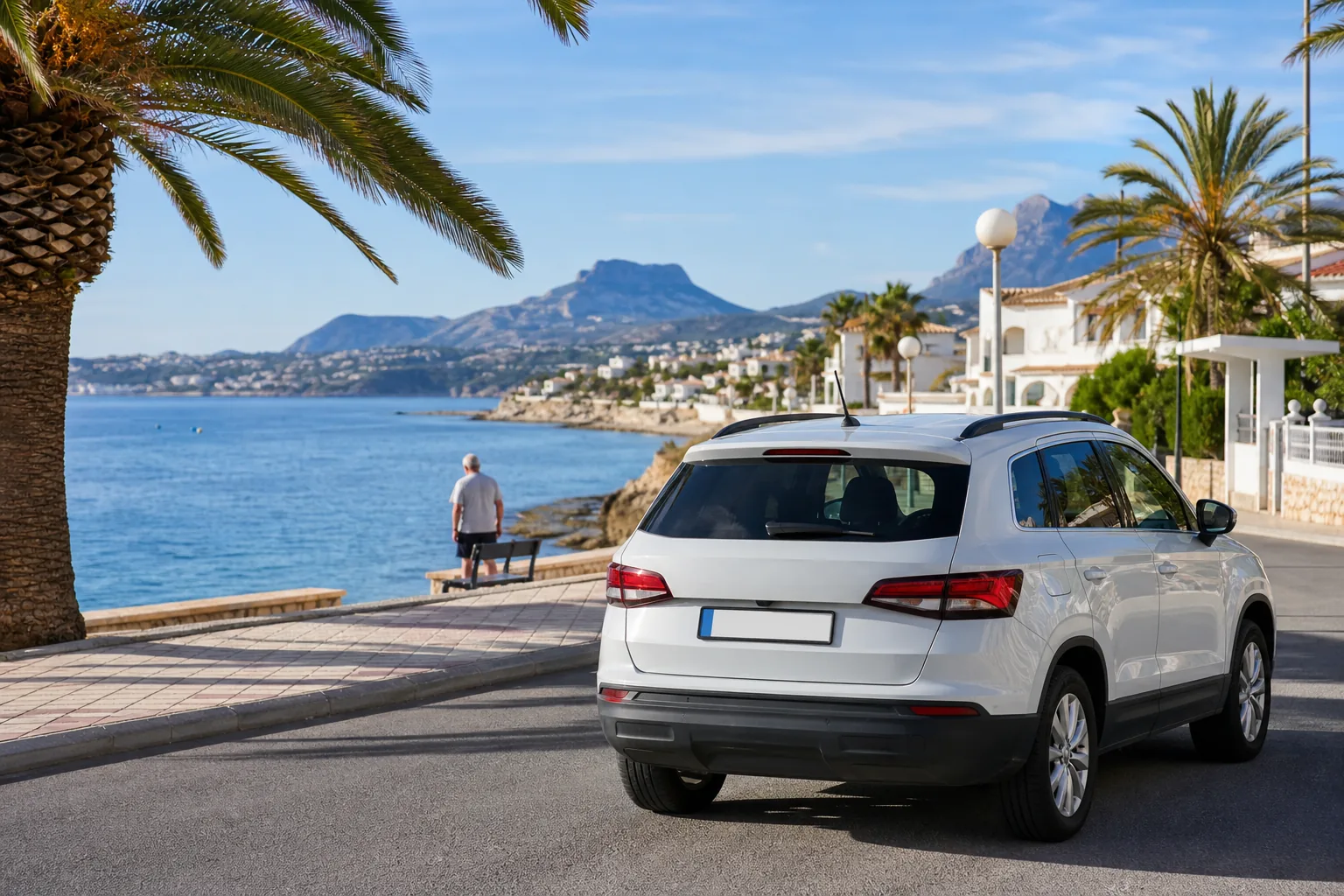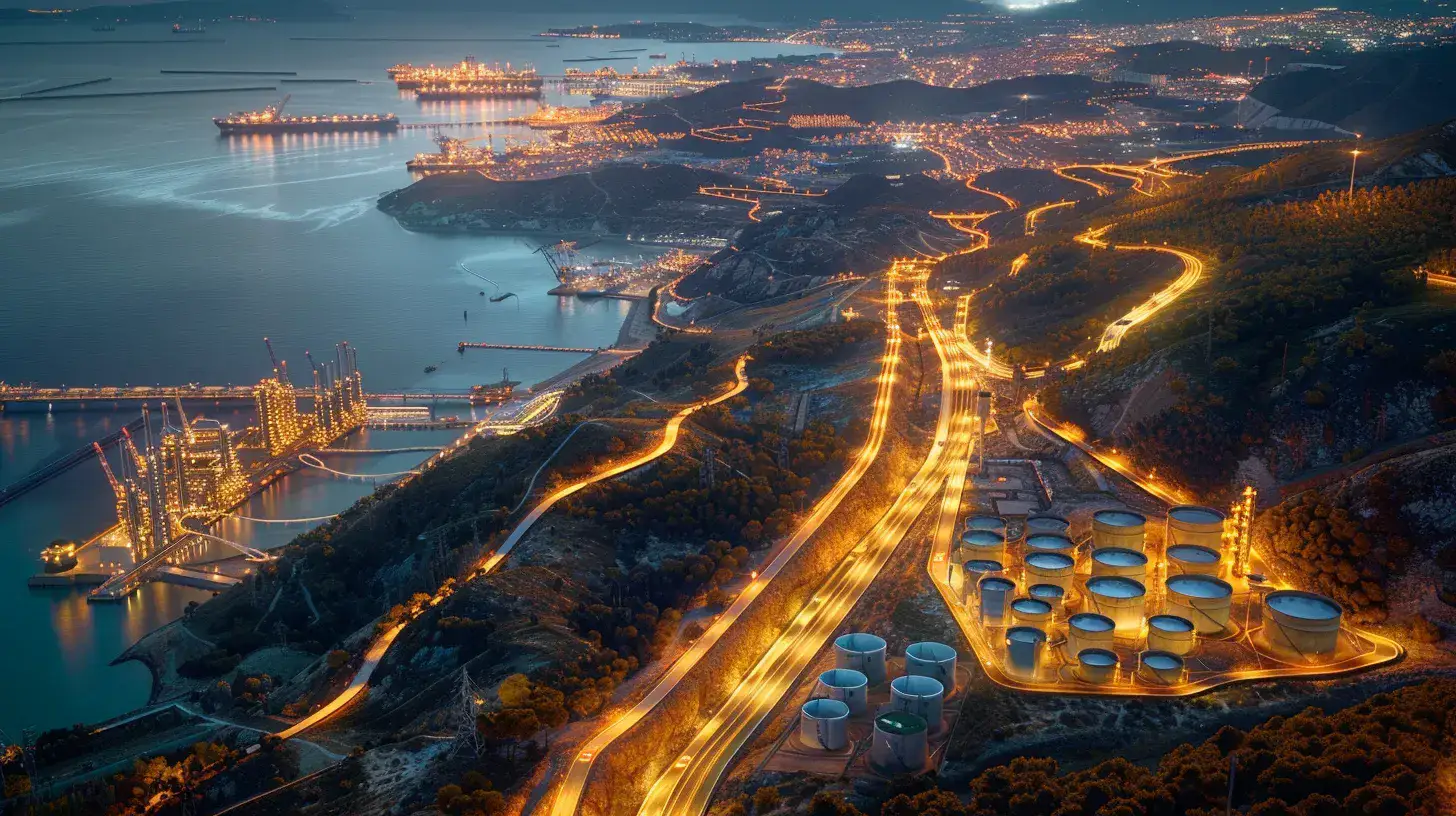
The current 2026 energy crisis is hitting Europe hard – and the rest of the world even harder. Since the wars of aggression by the USA and above all Israel against Iran, Gaza and Lebanon, the Strait of Hormuz has been largely blocked. Normally around 20 per cent of the world's oil and LNG shipments pass through this narrow waterway. The result: massive price rises, supply bottlenecks and panic on the markets. While Asia, with its extreme dependence on Middle Eastern oil, faces a genuine catastrophe, Spain is proving to be one of the most stable countries in the EU. Here on the Costa Blanca we see it every day: the supply of electricity, gas and fuel is running largely without a hitch. I have lived in Spain for 10 years and this is how I see it: Spain spent decades investing wisely in infrastructure – and that is paying off now.
The global energy crisis caused by the blockade of the Strait of Hormuz
The escalation in the Middle East has shaken the world's energy markets. The irresponsible wars of aggression by the USA and the Israeli regime have not only caused immeasurable suffering, but have also brought the global energy supply to the brink. Asian countries such as China, India, Japan and South Korea get up to 89 per cent of their oil via the Strait of Hormuz. Chaos reigns there now – tanker queues, diversions and exploding prices. Europe is suffering too, especially when it comes to jet fuel: the International Energy Agency warns that the first flights could be cancelled in six weeks because of a lack of jet fuel. In Germany and other countries, airlines are already sounding the alarm. The mood here on the Costa Blanca is correspondingly charged: many expats and locals are angry at the aggressors – not at their own government.
Spain as an energy hub: diversified imports and strong infrastructure
Unlike the rest of Europe, Spain is in a much better position. The country opted for diversification early on and has one of Europe's largest LNG regasification systems, with a capacity of around 67 billion cubic metres a year. Crude oil comes mainly from the Americas and Africa – the share from the Middle East is only about eight per cent. Gas flows reliably through the direct Medgaz pipeline from Algeria, which is even due to be increased by up to ten per cent in March 2026. On top of that come LNG deliveries from the USA, Brazil and Mexico. The infrastructure built up over many years – refineries, terminals and pipelines – makes Spain a hub that is less vulnerable to shocks.
Here is an overview of Spain's crude oil imports (data as of 2025, value in billions of euros):
When it comes to natural gas, Algeria dominates with around 30 per cent of imports via the Medgaz pipeline (capacity now almost fully used). The contracts are long-term and stable – quite unlike many EU countries, which are still more dependent on LNG tankers.
Cost of living in Spain at a glance
Find out what life on the Costa Blanca really costs – from rent and groceries to energy and fuel.
Compare costs →Strategic reserves: Spain can hold out longer than most EU partners
Spain has strategic oil reserves of around 150 million barrels. That equates to roughly 92 to 100 days of consumption. In March 2026 the government, as part of IEA coordination, already released 11.5 million barrels to cushion shortages – without any supply problems arising. In an EU comparison, that puts Spain among the better-prepared countries.
Fuel prices on the Costa Blanca: much cheaper than in Germany
Despite the crisis, prices in Spain are staying moderate thanks to quick tax cuts. The government was one of the first (and most consistent) in the EU to cut VAT on petrol, diesel and energy from 21 to 10 per cent, and it reduced the special hydrocarbon tax to the EU minimum. That noticeably dampens prices. You can find more on the cost of living in Spain in my detailed guide.
Current average prices in mid-April 2026 (source: official surveys):
At traditional full-service stations prices are higher; at independent or supermarket stations they are significantly lower. That is a real advantage over Germany and many other EU countries, where prices are often 20 to 30 cents higher.
Everyday life on the Costa Blanca: few worries, but eyes wide open
Here on the Costa Blanca you notice the crisis mainly in the news – not in daily life. The lights are on, the petrol stations are full, and the electricity and gas supply is stable. The only small dependency is on certain US deliveries, but the long-term contracts and Spain's own refining capacity (80 per cent of jet fuel is produced in the country itself) make Spain resilient. Politically, Spain has taken a clear stance: its airspace has been closed to US military flights in the Iran context, and military bases are not available. That has led to tensions with Trump, but it also shows Madrid's independence. The mood locally is unmistakable: the frustration is directed at those who caused the crisis – the USA and above all Israel – not at the country's own government.
Air travel and trips: what expats and visitors should bear in mind
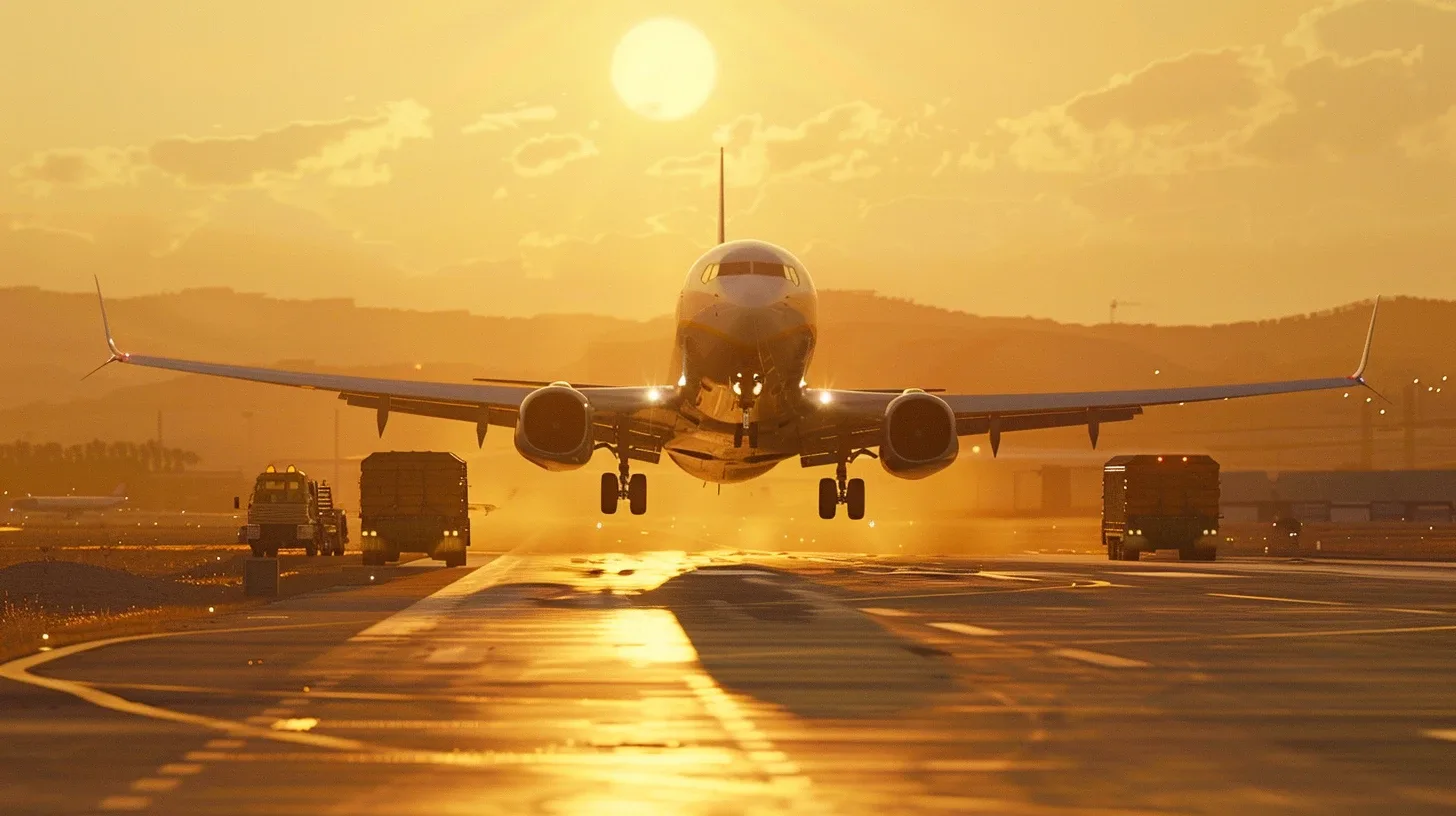
If you are coming with Ryanair or other budget airlines from Germany, Austria or Switzerland, keep an eye on the situation. Spain itself is relatively safe when it comes to jet fuel, but many aircraft depart from European hubs, where shortages are looming. If the Hormuz conflict continues, the first flights could be cancelled from May/June. Even so, Spain's direct connections and its own refineries make it far more robust here than the northern EU countries. If you are planning your move to Spain, bear this in mind.
Conclusion: Spain shows how forward-looking energy policy works
The 2026 energy crisis underlines once again how important diversification and infrastructure are. Spain has both – and that is why it is in a more stable position than almost any other EU country. Here on the Costa Blanca we continue to live and work with confidence. But the crisis also shows that geopolitics and energy are closely linked. Anyone who moves here or buys a property benefits from a country that is better prepared for shocks like this.
Any questions?
Carlo Reuß has 22 years of experience in emigration, 10 of them in Spain. Got a question on this topic? Send it to us via the contact form.
Ask a question →Frequently asked questions about the energy crisis in Spain 2026
How long would Spain's oil reserves last in a total blockade of the Strait of Hormuz?
Spain has strategic reserves for around 90–100 days. A total shutdown is unlikely, however, as most deliveries come from the Americas and Algeria.
Are fuel prices on the Costa Blanca cheaper than in Germany in 2026?
Yes, significantly. Thanks to the VAT cut to 10 per cent, diesel and petrol here are 20–30 cents below the EU average – especially at discount stations.
Is there a risk of a jet fuel shortage for flights on the Costa Blanca?
Spain itself is well supplied by its own refineries. Problems could arise with return flights from German or northern European hubs, though, if shortages occur there.
How is the Spanish government responding to the conflict with the USA?
Madrid has taken a clear stance: its airspace and bases are not available for military operations against Iran. At the same time, the energy contracts with the USA continue undisturbed.
Is the gas supply via the Algeria pipeline secure?
Yes. The Medgaz pipeline has only just been expanded, and Algeria reliably supplies around 30 per cent of Spain's gas – by pipeline, not by vulnerable tanker.


Planning your move to the Costa Blanca?
Our guides cover the key steps — from the NIE number and residency to buying property.
Start with the NIE guidePersonal questions: new requests via the consultation page are currently paused.