While many European countries follow Brussels to the letter, Spain often goes its own way, whether in economic policy, international relations or how it handles geopolitical challenges.
For expats toying with the idea of leaving Germany, Spain offers an exciting alternative, not just culturally, but economically and politically too.
[BILD]Chinese investment: Spain bets on electric mobility
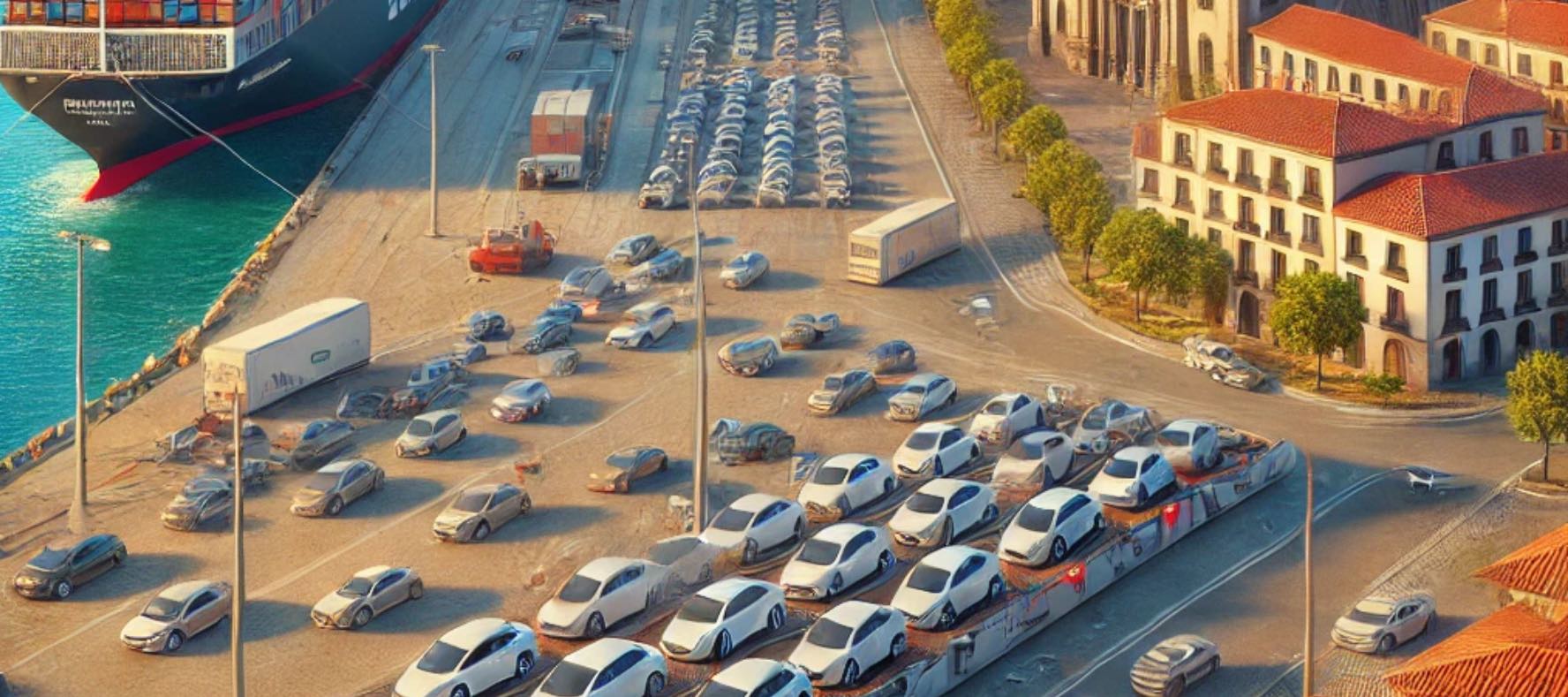
Spain's car industry is enjoying an upswing, thanks in particular to substantial investment from China. Companies such as Chery and CATL are planning, together with local partners, to build factories for electric cars and batteries. Chery, for example, has taken over the former Nissan plant in Barcelona and plans to produce 150,000 vehicles a year by 2029.
Why Spain?
- Attractive support programmes for foreign investors
- A strategic location with major ports that can serve as European hubs for electric vehicles
- A skilled workforce and an industrial tradition in the automotive sector
This investment could make Spain a central hub for electric mobility in Europe.
GTAI: Chery invests in vehicle production in Spain
WiWo: Spain becomes an EV hub thanks to China
What does life in Spain really cost?
From energy and groceries to rent, our overview shows what you should budget for each month on the Costa Blanca, with real everyday figures from locals.
See the cost of living in detail →Russian raw materials: Spain's pragmatic approach
Despite the official EU sanctions, Spain continues to import Russian raw materials, natural gas in particular. According to the Spanish energy ministry, gas imports from Russia have risen by 146%, a stark contrast to other European countries that have reduced their dependence.
Why this approach?
- Keeping energy prices low – Spain's electricity and gas prices are considerably cheaper than in Germany
- Economic pragmatism – Spain follows its national interests rather than guidelines from Brussels
- Diversifying energy sources – Spain also imports gas from Algeria, so it doesn't depend on a single partner
What this means for expats: anyone moving to the Costa Blanca benefits directly from these lower energy prices in everyday life. You'll find more in our overview of the cost of living on the Costa Blanca.
Spain & Europe: independence within the EU
Although Spain is a committed EU member, it often pursues an independent strategy that doesn't always line up with Brussels' interests.
Examples of Spain's independent streak:
- Economic cooperation with China – Despite criticism from the EU, Spain encourages Chinese investment
- A pragmatic approach to sanctions – Spain continues to import Russian raw materials to secure its own energy supply
Economy: Spain's positive trend
Despite global challenges, the Spanish economy is posting impressive growth rates. Unemployment is falling, industry is growing, and tourism is booming harder than before the pandemic.
The stable property market in Spain is particularly relevant for expats thinking about buying. If you're still deciding between renting and buying, our buy or rent page offers solid help with the decision.
Statista: Economic growth in Spain
El País: Spain's economy is growing faster than expected
Conclusion: Spain as a place to move to – a country with its own rules & strong opportunities
- Independent policy – Spain doesn't do everything Brussels dictates, which brings economic advantages
- Low energy prices – Pragmatic decisions keep energy affordable
- Chinese investment – It brings new jobs, especially in the electric car sector
- Economic growth – The Spanish economy keeps growing while other countries stagnate
If you've had enough of the current situation in Germany and are looking for an economically strong alternative, Spain could be exactly the right country for you. If you're seriously planning the move, you should also get to know the job market in Spain and the tax framework early on.
Still have questions?
Carlo Reuß has 22 years of experience in emigration, 10 of them in Spain. Got a question on this topic? Send it to us via the contact form.
Ask a question →Frequently asked questions
Why are Chinese companies investing in Spain in particular?
Spain offers attractive support programmes for foreign investors, a strategic location with major ports, an industrial tradition in the automotive sector and an available skilled workforce. These factors make Spain an attractive location for electric car and battery factories.
Are energy prices in Spain really cheaper than in Germany?
Yes. Spain's electricity and gas prices are considerably cheaper than in Germany. This is partly down to Spain's pragmatic energy mix, which includes imports from Russia and Algeria alongside renewables.
How stable is the Spanish property market for expats?
The Spanish property market is considered stable, with attractive prices outside the big cities. On the Costa Blanca in particular, expats will find interesting options in both the buying and the rental segments.
What new jobs are being created by investment in the electric car sector?
Chinese investment is bringing new jobs, especially in the electric car sector. Companies such as Chery plan to produce vehicles in Spain and need skilled workers from the automotive and technology industries.



Planning your move to the Costa Blanca?
Our guides cover the key steps — from the NIE number and residency to buying property.
Start with the NIE guidePersonal questions: new requests via the consultation page are currently paused.