
If you're looking for a house on the Costa Blanca, you'll know this moment: you're scrolling through listings, and suddenly there it is. The house with the pool, the view, the garden. You want to know exactly where it is – which street, what the neighbourhood is like, how far it is to the nearest town. And then the listing says: "Address on request". That's exactly what happened to me, and it's how LOCA CASA came about.
My story: two days of satellite images
I found my own house on the Costa Blanca online. I wrote to the agent behind the listing – no reply. My own agent asked for a viewing – the listing agent talked the property down, and a appointment never happened. He simply didn't want to work with another agent.
So I sat down and spent two days comparing hundreds of houses on satellite images: pool shape, roof colour, outbuildings, orientation to the sun. Eventually I found it. My agent drove out – and a week later the house was bought. The absurd part: this is bad for sellers too. They often never even find out that a buyer was interested, just because two agents don't talk to each other.
Since then, through my purchase support service and on this site, I've seen again and again that many people are in the same boat. I also wrote about the "disastrous agent system" in the guide Estate agents in Spain.
What LOCA CASA does
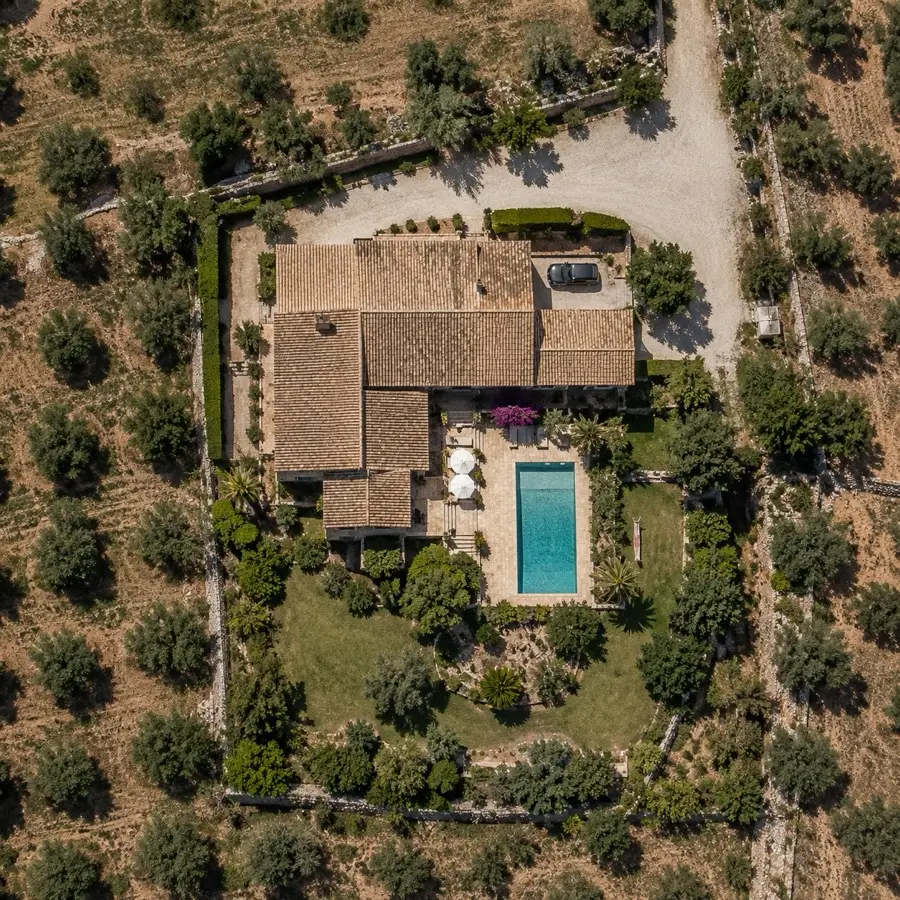
What I did by hand in two days back then, LOCA CASA – location-finding from the listing now does in a few minutes: the system takes the photos and details from a listing – plot size, living area, year built, pool – and compares them with the Spanish cadastre (catastro) and official aerial images. The result is the matching house with its cadastral parcel. And because a tool can make mistakes, the agent sees all the evidence for themselves: listing photo next to aerial image, outline, data. In the end it's the agent who confirms, not the machine.
- Who it's for: estate agents and agencies in Spain – especially buyer's agents whose clients send them listings.
- What it finds: detached houses, villas and fincas. Apartments aren't included.
- What it doesn't do: no owner data, no viewings, and it doesn't replace an agent. It makes sure buyers and sellers can connect when cooperation between two agents stalls.
And if you're looking for a house privately?
LOCA CASA is a tool for professionals – as a private individual you can't use it directly. But you can tell your agent about it. If you've found a house and the agent behind the listing isn't replying: send your agent the link to the listing and to locacasa.es. Then nobody has to spend two days comparing satellite images any more.
My tip when buying a house
However you find the house: always check the land registry (Registro de la Propiedad), the cadastre and the building permits before you buy. What to look out for is covered in the guide Checking a property.
Frequently asked questions about LOCA CASA
What is LOCA CASA?
LOCA CASA is a tool for estate agents in Spain. From the photos and details in a listing, it finds the location of a detached house – with cadastre, aerial image and verifiable evidence.
Can I use LOCA CASA as a private individual?
No, LOCA CASA is only for business customers such as agents and agencies. As a private individual, you can point your agent towards it.
How long does an analysis take?
Usually a few minutes. The agent sees the result with all the evidence and confirms it themselves.
Does LOCA CASA also find apartments?
No. LOCA CASA is designed for detached houses, villas and fincas, because there the plot, pool and building shape provide distinctive features.
Who is behind LOCA CASA?
Carlo Reuss, the founder of auswandern-costablanca.com. He developed LOCA CASA after the experience of buying his own house on the Costa Blanca.


Planning your move to the Costa Blanca?
Our guides cover the key steps — from the NIE number and residency to buying property.
Start with the NIE guidePersonal questions: new requests via the consultation page are currently paused.